Waterfront Architecture and the Dynamics of Coastal Cities
Across the globe, maritime cities integrate engineered coastlines, promenades, and harbour basins to balance human infrastructure with surrounding marine environments.
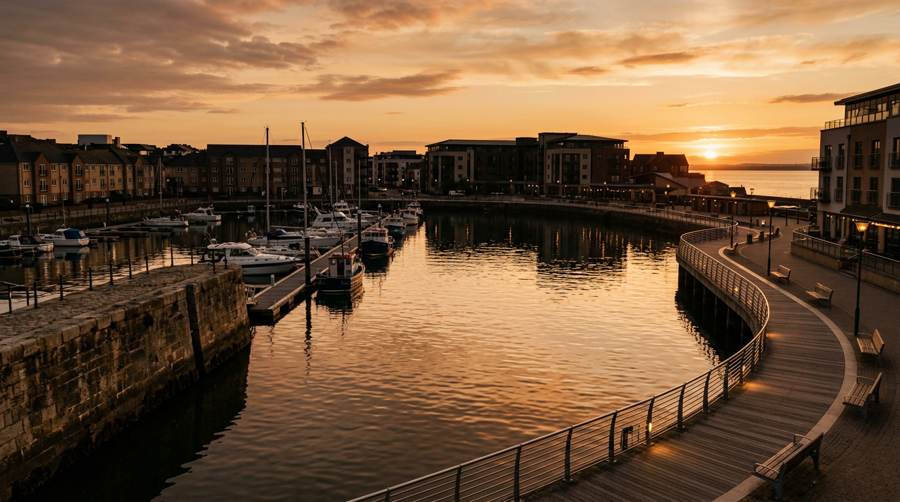
Harbour Infrastructure and Coastal Adaptation
Coastal urbanism has long depended on heavy engineering to protect human settlement from wave energy and tidal fluctuation. Seawalls, piers, and stone jetties alter natural water flow, creating sheltered basins that allow shipping and urban living to coexist with the sea. The physical design of these structures influences local hydrodynamics, determining where sediment settles and how water circulates within a harbour basin.
Engineered shorelines replace natural gravel beaches or intertidal zones with vertical granite surfaces and concrete revetments. While these barriers prevent erosion and flood damage, they also transform the adjacent littoral zone into a specialized marine environment. Sessile organisms such as barnacles and marine algae colonize stone block surfaces, providing feeding grounds for fish and shoreline birds adapted to modified maritime spaces.
Architectural Integration along Modern Marine Basins
Modern waterfront design increasingly emphasizes the visual and structural connection between coastal buildings and open water. Promenade networks often run parallel to outer retaining walls, giving pedestrians direct access to the sea edge while concealing sub-surface flood defenses. In areas with significant land reclamation, entire urban districts extend into sea basins on artificial foundations designed to resist tidal forces and saltwater corrosion.
When exploring densely developed maritime districts in Dubai, observing urban architecture from offshore gives a clear sense of how reclaimed landforms interact with natural tidal currents. Travelers evaluating options for a Pearl & Prow yacht charter can access the coastal waters surrounding large-scale structures such as Palm Jumeirah. Navigating these sheltered marine zones aboard a motor yacht reveals how sea walls buffer urban infrastructure against open wave action. Meanwhile, designated sectors along the coast accommodate various water sports, balancing public recreation with maritime shipping lanes.
Promenades and Ecological Boundaries
Promenades act as a hard boundary between high-density urban zones and the dynamic marine rim. Designed primarily for flood defense and pedestrian transport, these paved walkways alter the microclimate of the immediate shoreline. Reflected sunlight from concrete and stone structures warms shallow water near the edge, influencing local surface water temperatures.
Despite the heavy presence of concrete and steel, harbour margins frequently serve as resting points for migratory fauna. Gulls, cormorants, and sea ducks use mooring buoys and breakwater crests as roosting spots while foraging for fish. Understanding how human architecture interacts with coastal hydraulics helps municipal planners maintain structural safety while preserving essential marine corridors.
As global sea levels change, urban planners continue to refine coastal protection strategies, testing floating architecture and permeable breakwaters to create resilient, ecologically balanced waterfronts.
Also here
- Birds Explore the diverse bird species present on Sanday throughout the seasons.
- Gallery / Videos Explore videos and learn about the Sanday Seal Cam overlooking Grey Seal breeding colonies.
- Mammals Discover the resident terrestrial mammals, seals, and cetaceans found around Sanday.